Date: March 2026
Location: China
In drilling operations, drill pipe performance directly impacts efficiency, cost control, and safety. As drilling demands become more complex, companies often ask whether new and used drill pipes can be mixed in the same string.
Key Differences Between New and Used Drill Pipes
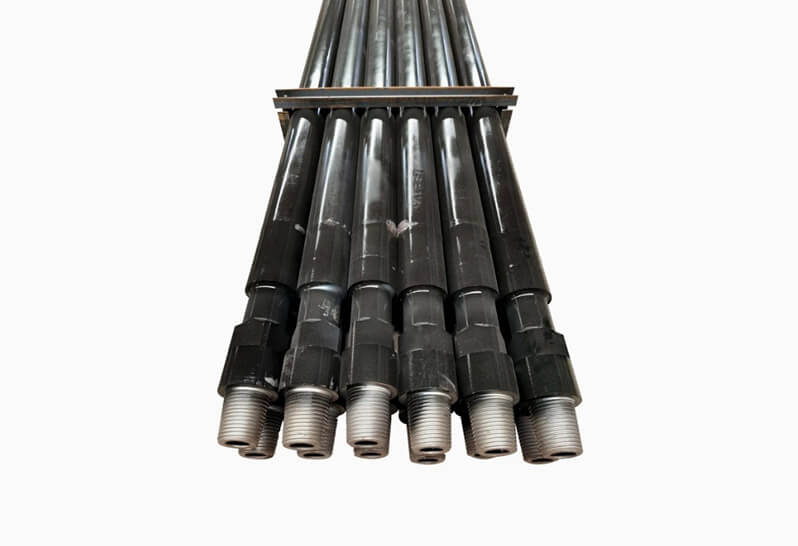
New drill pipes offer higher strength, better wear and corrosion resistance, and longer fatigue life. They undergo strict quality control to ensure reliable performance under demanding conditions.
Used drill pipes, due to long-term service, may experience wall thickness reduction, surface wear, or internal cracks. These factors reduce load capacity and fatigue resistance.
Potential Risks of Mixing
• Performance mismatch: Used pipes may become the weak link, increasing failure risk.
• Higher maintenance complexity: Different inspection and maintenance needs complicate management.
• Safety concerns: Hidden defects in used pipes may lead to accidents under high-pressure or high-temperature conditions.
• Long-term costs: Short-term savings may be offset by downtime and repair expenses.
When Mixing May Be Acceptable
Combining new and used drill pipes may be feasible when:
• Used pipes pass comprehensive inspection and meet required technical standards.
• Operating conditions are moderate and within verified load limits.
• A strict inspection, grading, and lifecycle management system is implemented.
• A thorough cost-benefit and risk assessment supports the decision.
Conclusion
New and used drill pipes can be mixed, but only under controlled conditions and proper management. Safety, reliability, and long-term efficiency should always take priority over short-term cost savings.